Military fitness is not a trend. It is not a fitness influencer's programme with a camouflage thumbnail. It is a method built over decades to produce human beings who can perform — under load, under fatigue, in bad weather, without complaint. The movements are simple. The standards are high. The results are real. You do not need a gym for any of it.
What separates military conditioning from most commercial fitness is the intent behind it. You are not training to look a certain way. You are training to be capable — to move your own bodyweight with authority, to carry loads, to run when your legs are already gone. That shift in mindset changes how you train. Reps are not to be counted grudgingly. They are to be completed.
The Foundation — What Military Fitness Is Actually Built On
Armies have tested human fitness for a long time. What they have landed on consistently — across different countries, different climates, different eras — is a short list of movements that build genuine, functional conditioning. Press-ups. Pull-ups. Squats. Running. Loaded carries. Sit-ups. These are not complicated. They do not require a degree in exercise science. They require repetition and discipline applied over time.
The Irish Defence Forces fitness test, like most military assessments, is built on these basics. If you can pass a military fitness standard, you are genuinely fit — not just fit by the standards of someone who goes to the gym three times a week.
The Exercises — No Machines, No Shortcuts
These are the movements at the core of military conditioning. Learn them properly. Drill them until they are automatic. The volume comes after the form.
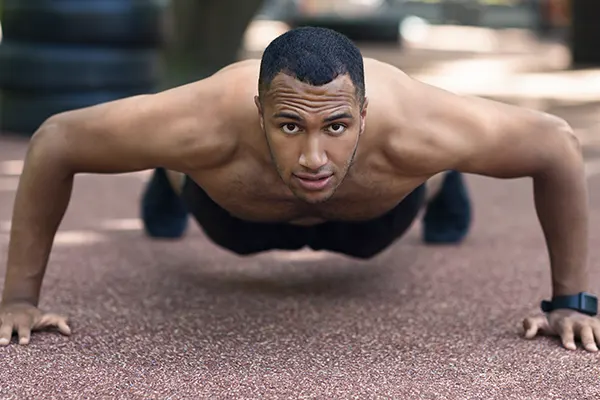
- Press-ups — the non-negotiable. Chest to the ground, full extension, straight body. High volume press-up capacity is the most reliable marker of upper body endurance. Watch: Military press-up standard →
- Burpees — full body, full effort, no rest. The military uses burpees because they require nothing and tax everything. If there is one exercise that defines this kind of training, it is this one. Watch: Burpee technique →
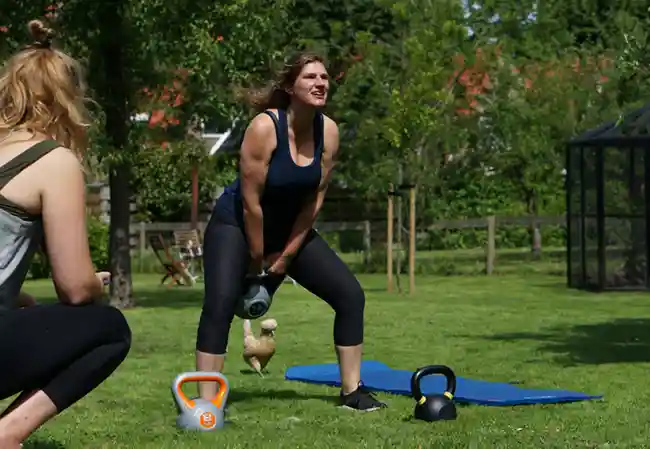
- Squats — bodyweight to start, weighted rucksack when you are ready. Hip crease below knee, chest up, full extension at the top. No partial reps. Watch: Bodyweight squat form →
- Pull-ups — the hardest basic movement on this list and the most worth developing. Dead hang start, chin over bar, controlled descent. If you cannot do one, start with negatives. Watch: Pull-up progression from zero →
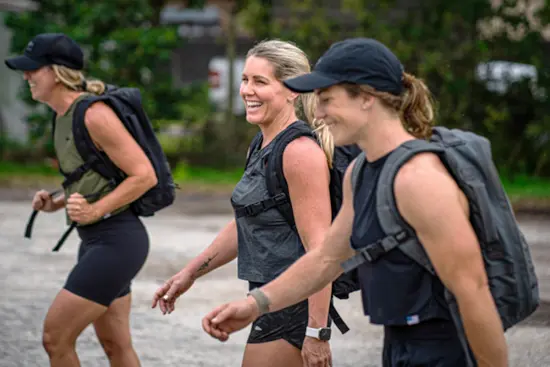
- Rucking — walking or running with a weighted pack. Builds posterior chain strength and cardiovascular endurance simultaneously. Low-tech, high return. Read: Rucking in Ireland →
- Sprints — 20 to 40 metre efforts, maximum effort, full recovery between reps. Speed and explosive power that steady-state running never develops.
Follow Along — Military-Style Training Sessions
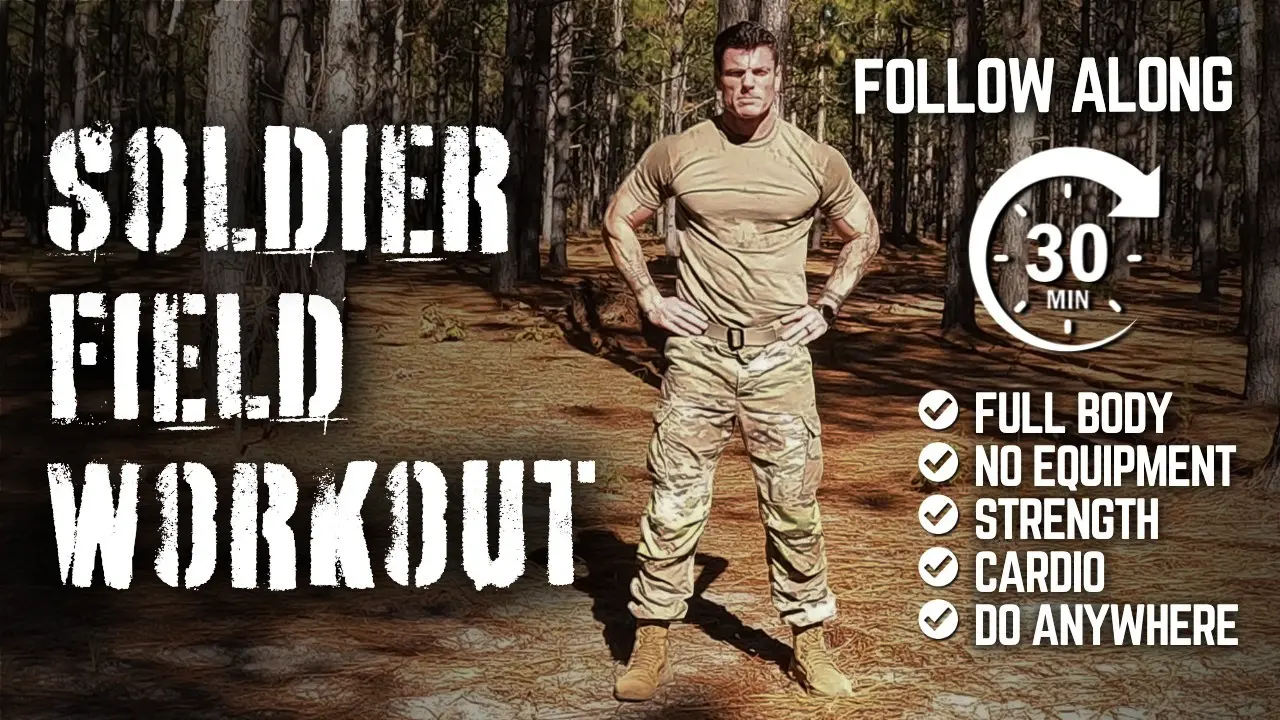
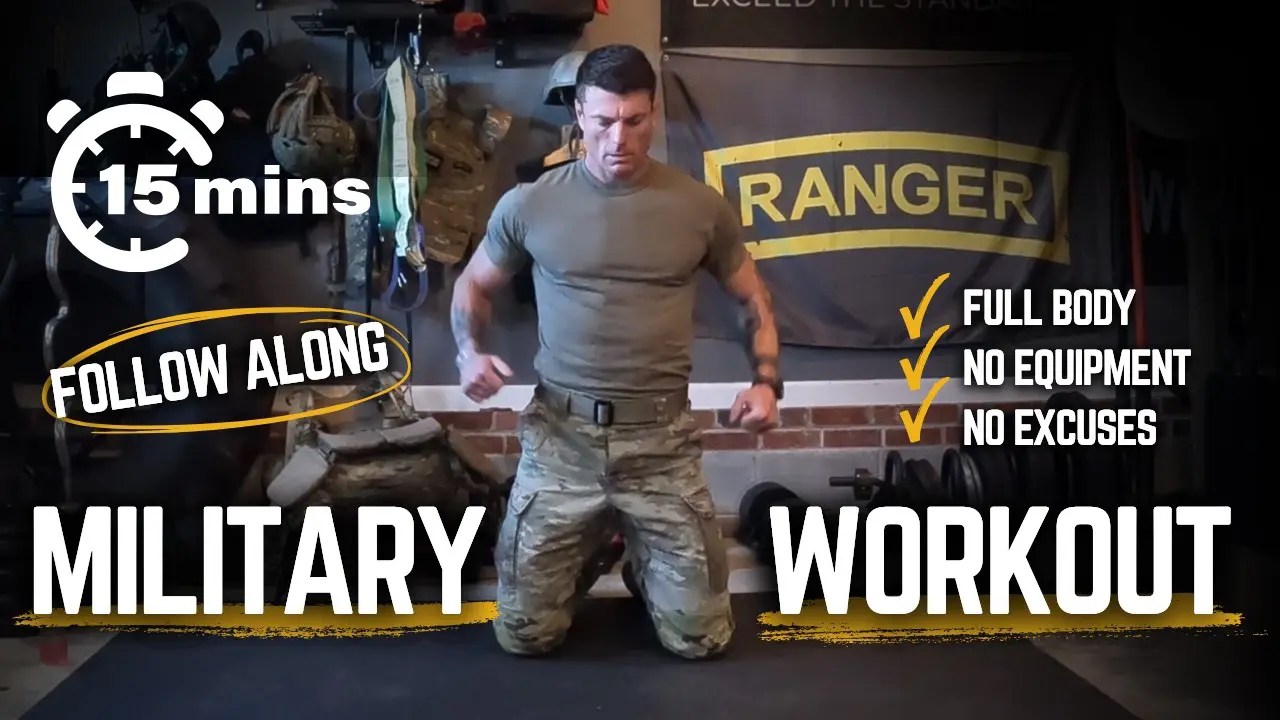
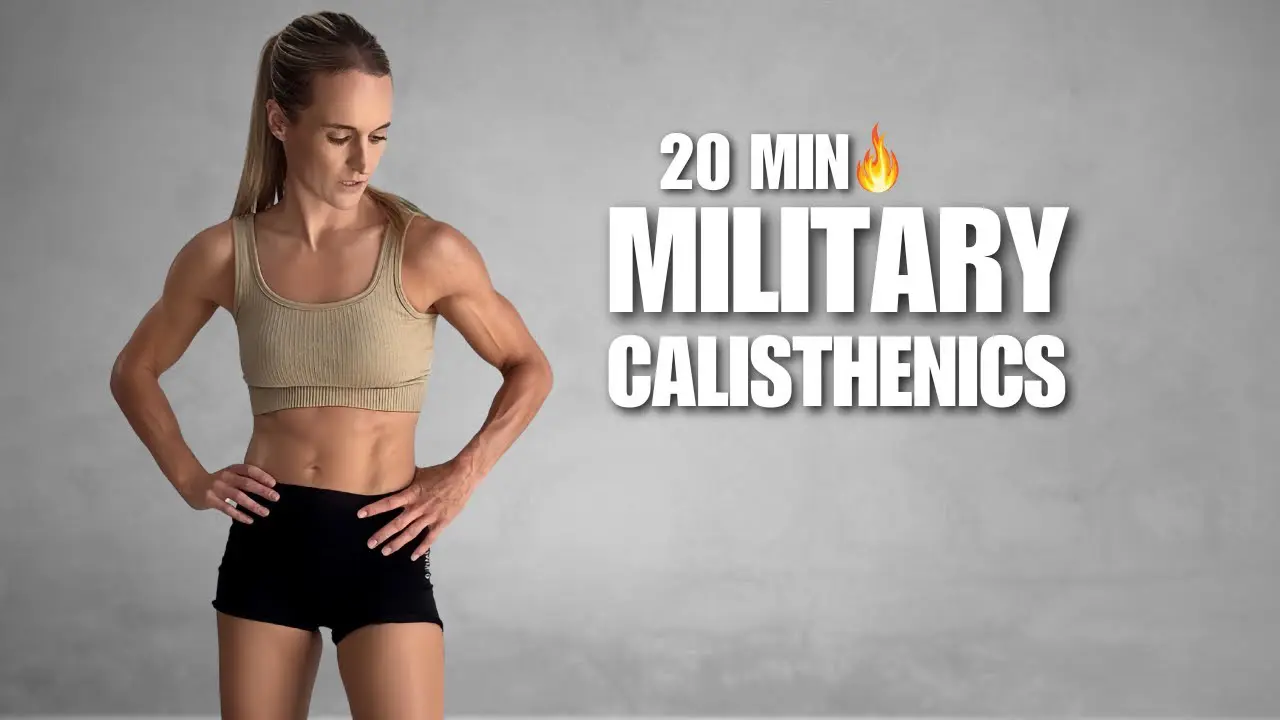
These sessions will show you what the standard looks like when the movements are put together at pace. No equipment. No gym. Just work.
The Standard You Are Working Toward
Goals need to be concrete. Vague intentions produce vague results. Pick a standard and work toward it. These are achievable targets for someone who trains consistently over three months:
- 50 press-ups without stopping — from a dead stop, no breaks, full range of motion throughout.
- 10 pull-ups — dead hang start, chin over bar, every rep.
- 100 burpees in under 12 minutes — this is a benchmark. The first time you attempt it you will discover exactly where your fitness stands.
- 5km run in under 25 minutes — a basic aerobic standard. Build to sub-22 if you want to push further.
- 10km ruck with 10kg in under 90 minutes — the carry standard that separates real fitness from gym fitness.
You are not training for how you look in a mirror. You are training for what you can do when it is hard and you are tired and there is still ground to cover.
Start with the backyard bootcamp if this feels like too big a jump. Build the base, then come back here and lift the standard.
Frequently Asked Questions
Military fitness training is conditioning built around functional bodyweight movements — press-ups, pull-ups, squats, carries, running — performed at high volume with minimal equipment. It prioritises endurance, mental toughness, and the ability to perform under fatigue. No machines, no isolation exercises, no shortcuts.
Yes — and they should. Military fitness methods are not secret or proprietary. They are proven conditioning tools that work for anyone willing to put in the effort. The intensity is scalable. You start where you are and build from there.
No. The core military fitness movements — press-ups, burpees, squats, lunges, sprints, and carries — require nothing but your bodyweight and a patch of ground. A weighted rucksack or a pull-up bar expands what is possible, but neither is required to train hard.
It is hard. That is the point. But hard is scalable. A beginner does fewer reps, takes longer rest, and works at a lower intensity. The framework is the same — you are building the same qualities. Drop the ego, do the reps you can do with good form, and build from there.
Three to four times per week is enough to build serious fitness. Military training at full intensity is taxing — recovery is part of the programme, not a concession to laziness. Rest days are when adaptation happens.
Fitness Bootcamp Ireland
Practical fitness guides for Irish adults — outdoor training, home workouts, gear reviews and event prep. No gym required.