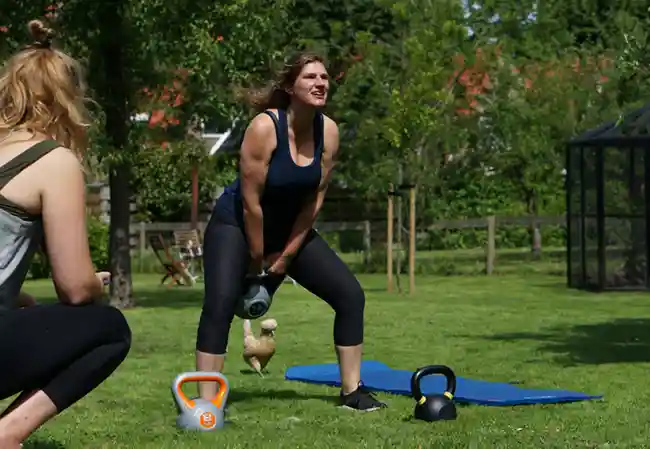
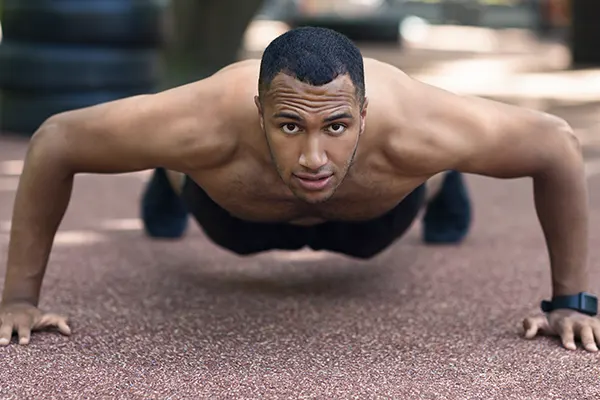
HIIT — high-intensity interval training — is the most time-efficient way to build cardiovascular fitness and burn fat that exists. Short bursts of maximum effort, brief rests, repeated across a 20 to 30-minute session. No gym, no equipment, no commute. A clear patch of floor and the willingness to work hard are the only requirements. If you have been putting off starting because you do not have time to train properly, HIIT at home is the argument against that.
The principle behind it is straightforward. Pushing your heart rate close to its maximum for repeated short intervals creates a training stimulus that steady-state cardio takes twice as long to match. Your body also continues burning calories at an elevated rate for hours after the session ends — the afterburn effect is real and well-documented. Thirty minutes of genuine HIIT outperforms an hour on a treadmill at moderate pace in almost every measurable outcome.
Why HIIT Works Better Than Steady-State Cardio
The honest answer is that both have value and neither is universally better. But for people with limited time who want maximum return from the minutes they invest, HIIT wins on most metrics. The cardiovascular adaptations are faster, the calorie burn is higher per minute, and the variety of movements means you are building total-body conditioning rather than just running fitness.
HIIT also produces a meaningful hormonal response — growth hormone release, adrenaline, and the dopamine boost that comes from completing something genuinely difficult. That last part matters more than people admit. The sessions that push you produce results that comfortable sessions never do.
The downside is that HIIT done properly is hard. Modifications exist and are legitimate — stepping instead of jumping, reducing range of motion, taking an extra rest second — but the sessions that deliver results are the ones where you are working near your actual limit for most of the work periods. That is also why recovery matters: two or three HIIT sessions a week is the effective range, not daily.
The Movements That Drive HIIT Results
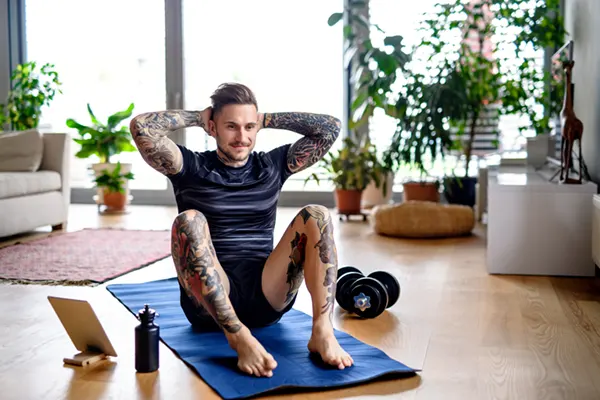
You do not need to know a hundred exercises. A handful of high-output bodyweight movements — star jumps, high knees, burpees, jump squats, mountain climbers, fast feet — are the foundation of virtually every effective HIIT session. They require nothing, they work the full body, and they are demanding enough at full effort to produce a real training stimulus. Once you know them, you can follow any HIIT video or build your own sessions around them.
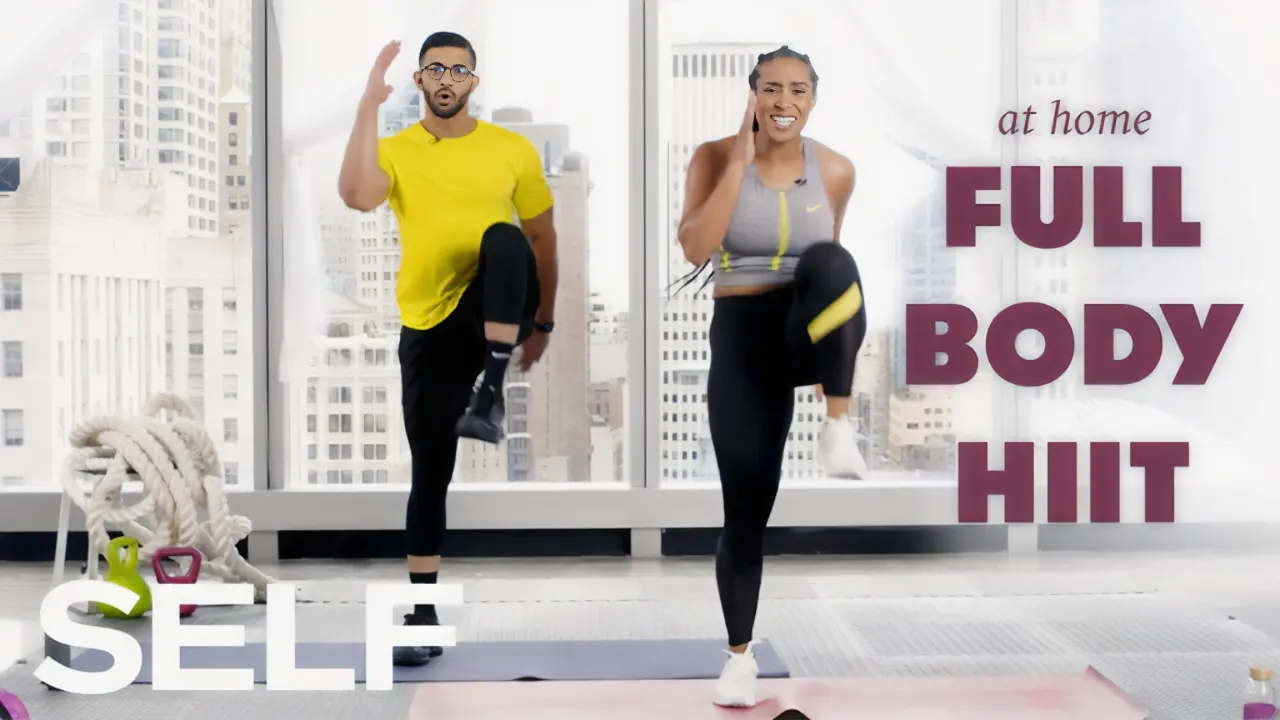
The HIIT session below uses exactly these movements in a format designed for home training with no equipment. Trainer Lita Lewis leads a 30-minute session through a warm-up, two working circuits, and a cool-down — structured, thorough, and genuinely demanding. Watch the first session through before you do it so the movements are familiar, then commit to the work periods.
What to Expect in the First Few Weeks
The first session will be harder than you expect. That is normal and it is not a sign that you are not fit enough — it is a sign that the format is working. HIIT is genuinely demanding and the body takes two to three weeks to start adapting. Expect significant breathlessness, muscle soreness in the days after, and sessions that feel almost impossible to complete.
By week three or four, the same session that floored you in week one will feel manageable. You will be moving faster through the rest periods, recovering more quickly between work intervals, and finishing the session feeling worked rather than destroyed. That is when the format starts to feel like training rather than survival. Stick with it through the first few sessions and the payoff is real.
Frequently Asked Questions
HIIT stands for high-intensity interval training. It alternates short bursts of maximum-effort exercise with brief rest periods. The high-intensity periods push your heart rate close to its maximum, creating a significant training effect in a short session.
20 to 30 minutes of actual work is enough. Because the intensity is high, longer is not necessarily better. A focused 25-minute session done properly outperforms an unfocused hour at moderate intensity.
Two to three times per week. HIIT is demanding — daily sessions do not allow adequate recovery and increase injury risk. Pair HIIT days with lower-intensity activity or rest days in between.
No. Bodyweight HIIT requires only a flat surface and enough space to lie down. Some of the most effective HIIT formats involve no equipment at all.
Yes. HIIT elevates your metabolic rate for hours after the session ends. Combined with the calorie burn during the session, the total energy expenditure of a well-executed HIIT workout is high relative to the time invested.
Fitness Bootcamp Ireland
Practical fitness guides for Irish adults — outdoor training, home workouts, gear reviews and event prep. No gym required.